Best Workday HCM Training In Pune⭐Best Workday HCM Course In Pune | Updated 2026
Join Our 100% Job Guaranteed

Best Workday HCM Training in Pune

  • Enroll in Workday HCM Training Institute in Pune To Gain HR And HCM Expertise.
  • Our Workday HCM Course in Pune Covers Core Payroll, Reporting & Analytics.
  • Choose Flexible Weekday, Weekend, Or Fast-Track Batches To Fit Your Schedule.
  • Gain Practical Experience On Real-Time Projects With Guidance From Experts.
  • Earn A Globally Recognized Workday HCM Certification With Placement Support.
  • Get Expert Guidance To Build A Strong Resume And Prepare For Interviews.

Explore Active Opportunities on by ACTE

Live 1000+ Jobs and Internships
Quality Training With Affordable Fees in Pune!

⭐ Fees Starts From

INR 36,000
INR 16,500

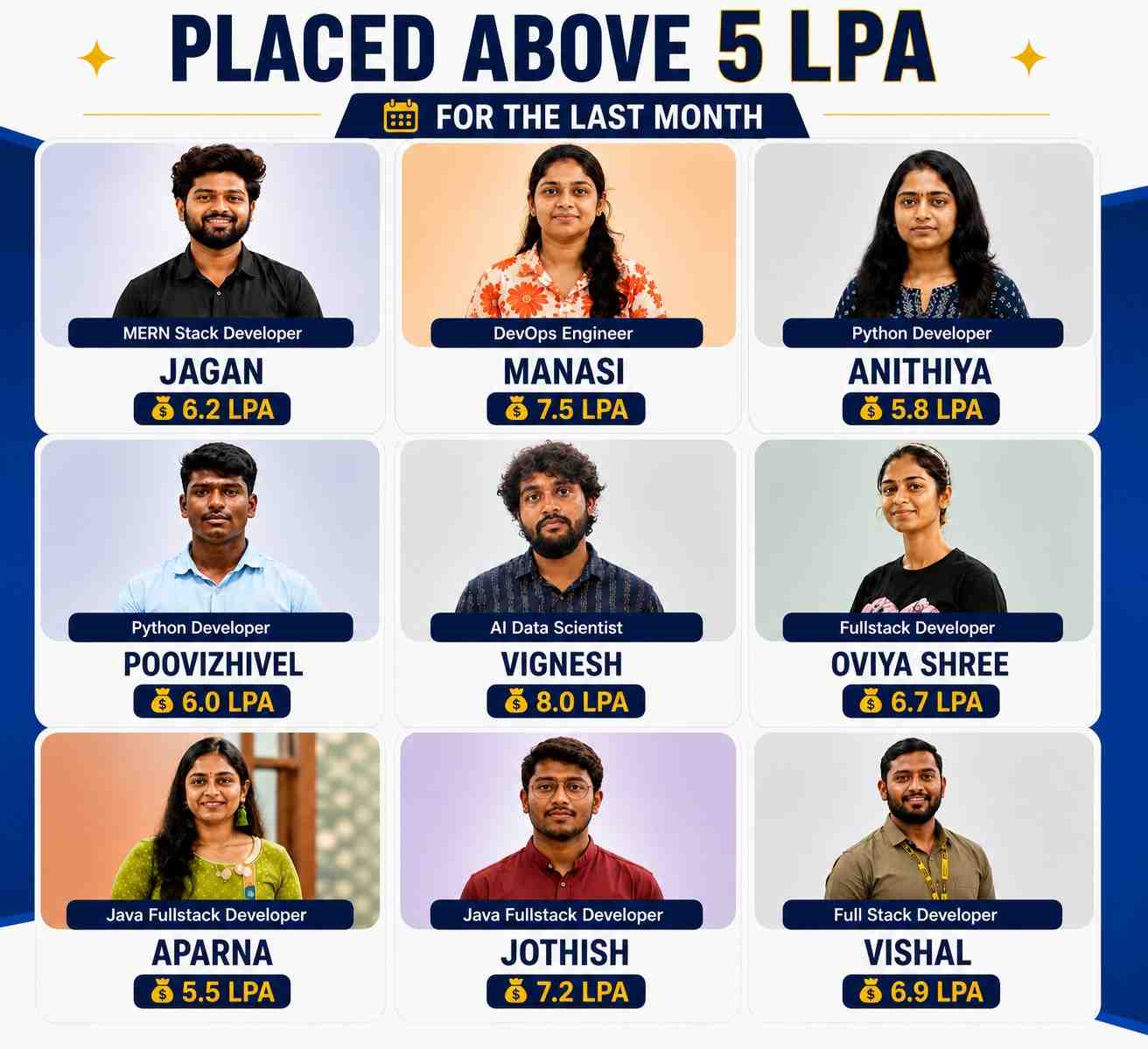
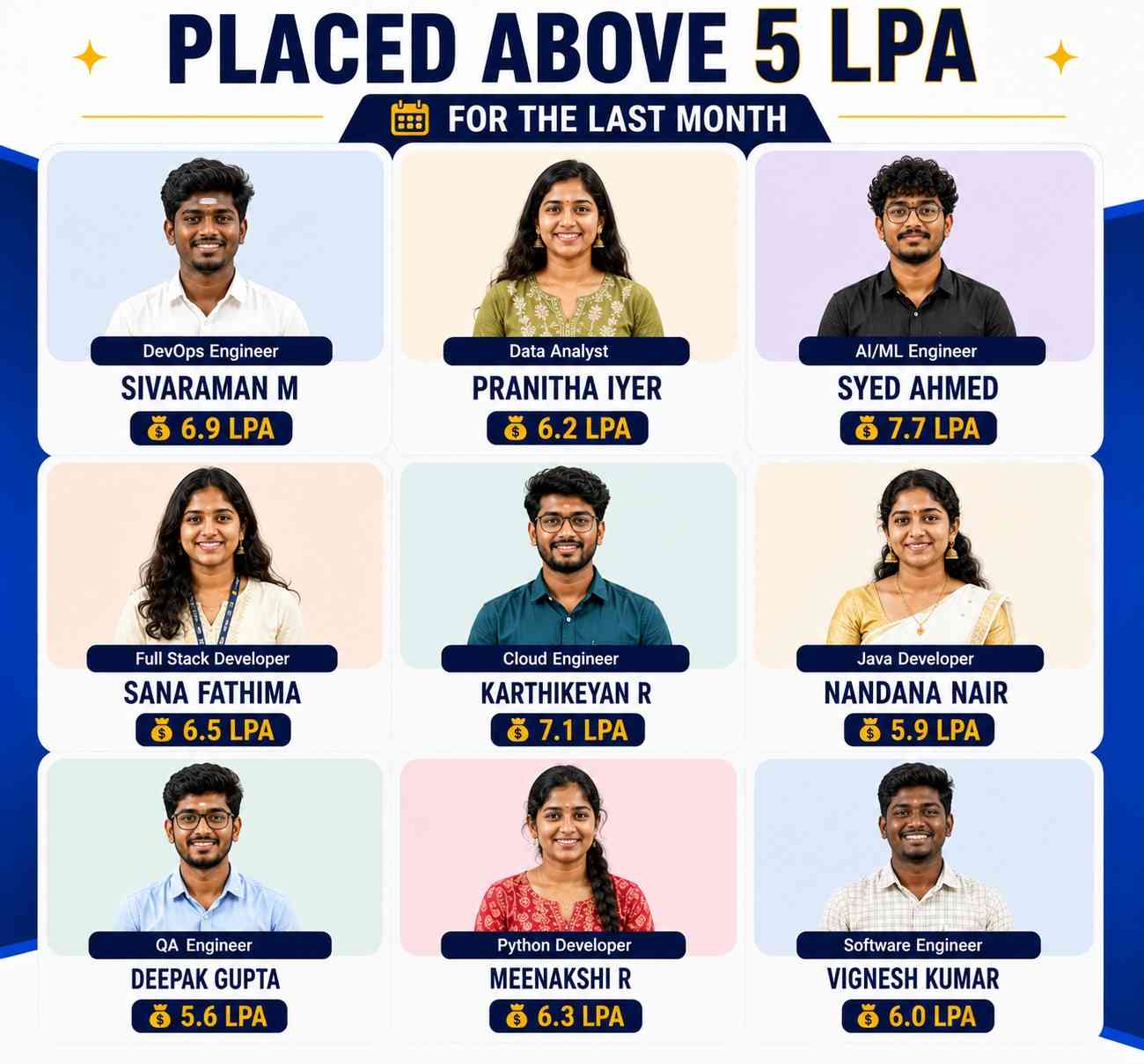
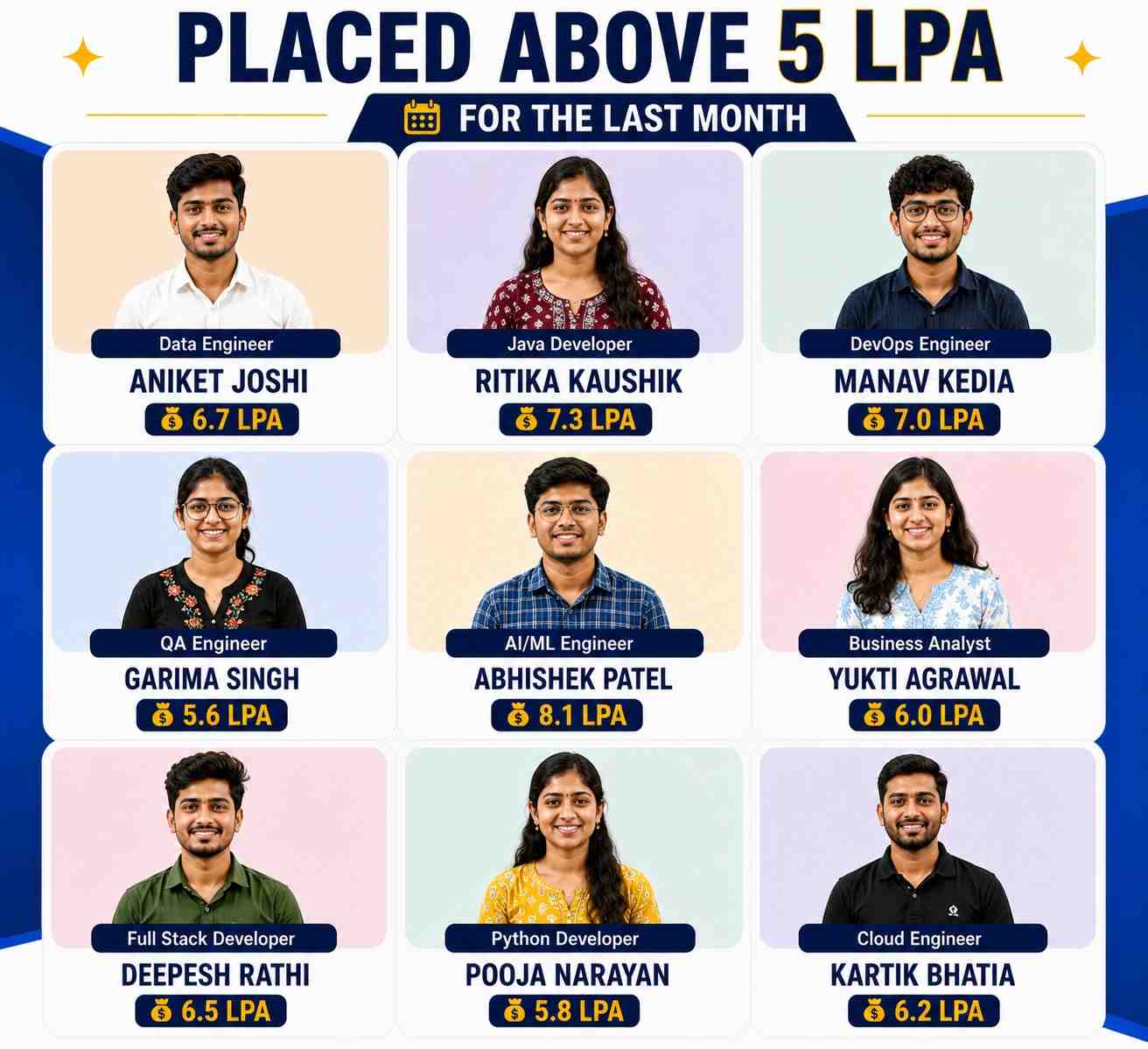
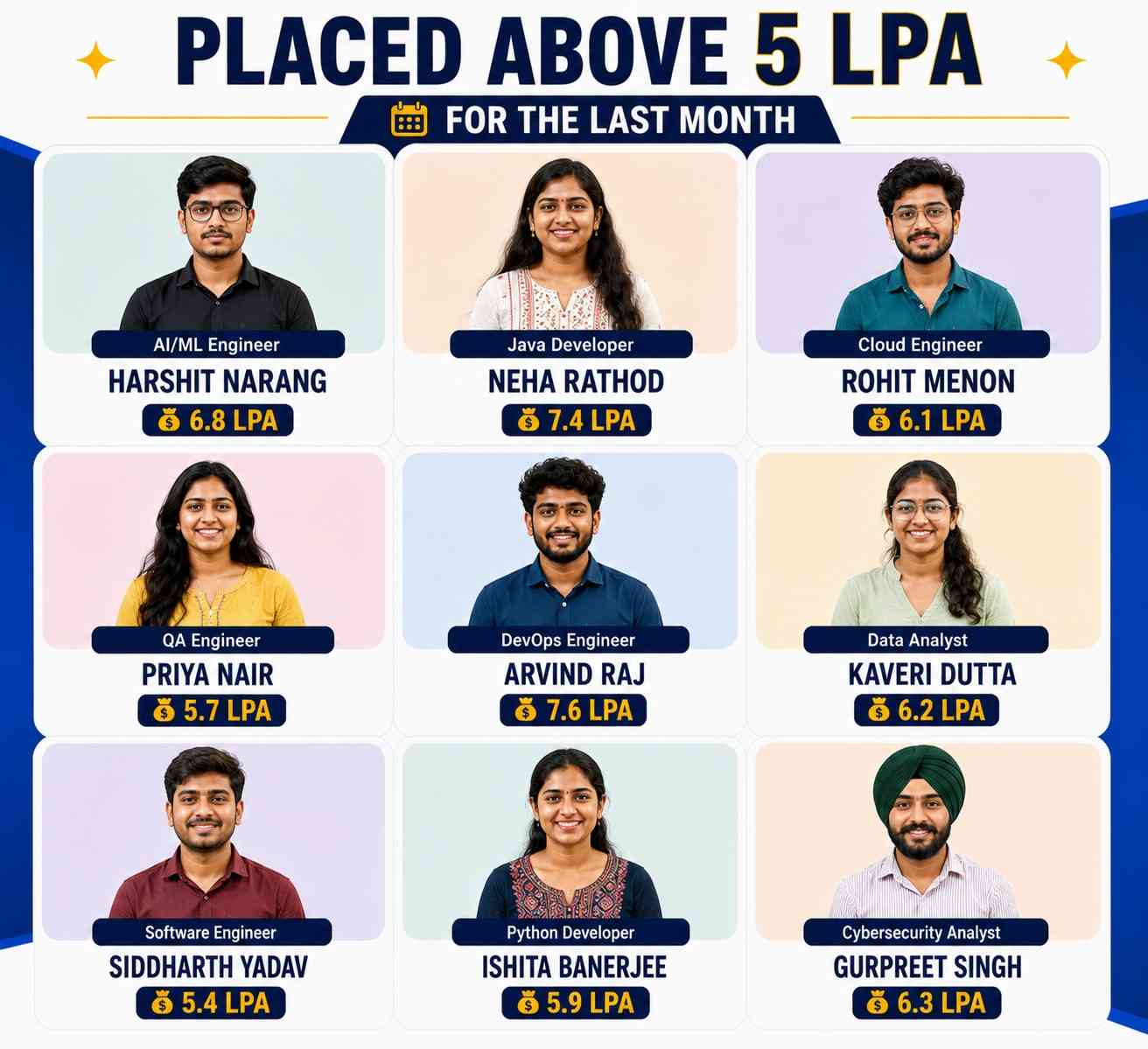
11570+

(Placed)
Freshers To IT

7408+

(Placed)
NON-IT To IT

8167+

(Placed)
Career Gap

4389+

(Placed)
Less Then 60%

Our Hiring Partners

Overview of Workday HCM Course

Our Best Workday Training in Pune offers a comprehensive learning experience that begins with the fundamentals of Workday and progresses to advanced functional concepts, configuration, and implementation techniques. Through hands-on labs, practical assignments, and real-time industry projects, you will gain expertise in Core HCM, Payroll, Time Tracking, Talent Management, Reporting, Security Administration, Business Process Configuration, and Workday Integrations. By the end of the course, you will be well-prepared for career opportunities such as Workday HCM Consultant, Workday Functional Consultant, HRIS Analyst, Payroll Specialist, Workday Integration Consultant, and Workday Support Consultant. You will also receive an industry-recognized Workday certification that enhances your resume and helps accelerate your career in enterprise cloud-based Human Capital Management solutions.

What You'll Learn From Workday HCM Course

The Workday HCM Training is ideal for fresh graduates, career changers, and IT professionals who want to build practical expertise in cloud-based Human Capital Management and modern enterprise HR solutions.

During the course, learners gain hands-on experience with essential Workday HCM modules, including Core HCM, Payroll, Time Tracking, Compensation, Benefits, Absence Management, and Talent Management.

Participants also develop practical knowledge of key Workday tools such as Report Writer, Workday Studio, Enterprise Interface Builder (EIB), Workday Integrations, Security Configuration, and Business Process Framework.

The training features instructor-led sessions, hands-on labs, real-time implementation projects, business case studies, and practical exercises guided by certified Workday experts with extensive industry experience.

After successfully completing the course, you will have the skills to configure, implement, customize, and support Workday HCM solutions while earning an industry-recognized certification that enhances your career opportunities.

This career-focused training prepares you for rewarding roles including Workday HCM Consultant, HRIS Analyst, Workday Functional Consultant, Payroll Specialist, and Workday Support Consultant.

Additional Info

Course Highlights

  • Build a successful Workday HCM career through expert-led training covering Core HCM, Payroll, Time Tracking, and Business Process Configuration.
  • Get dedicated placement support with opportunities to connect with leading companies looking for qualified Workday HCM professionals.
  • Join a thriving network of 11,000+ trained learners who have secured careers through our 350+ trusted hiring partners.
  • Train with certified industry experts who bring more than 10 years of hands-on experience in Workday HCM implementation and cloud HR solutions.
  • Develop practical, job-ready skills through structured learning, live projects, hands-on assignments, and personalized career guidance.
  • Take advantage of affordable course fees, flexible weekday and weekend schedules, and comprehensive placement assistance for both freshers.
  • Gain in-depth Workday HCM expertise with real-time implementation projects and build the confidence to succeed in enterprise HR technology .

Exploring the Benefits of a Workday HCM Course

  • Streamlined Human Resource Operations – A Workday HCM course teaches you how to automate essential HR processes such as employee onboarding, payroll administration, leave management, and workforce operations. By minimizing manual tasks, reduce errors, and allow HR teams to focus on strategic business initiatives.
  • Advanced Workforce Reporting and Analytics – Workday HCM includes powerful reporting and analytics capabilities that help organizations make informed workforce decisions. Learners gain hands-on experience in creating customized reports, monitoring HR KPIs, and generating meaningful insights that support organizational growth.
  • Security, Governance, and Compliance – The course introduces Workday security architecture, role-based access, and compliance management to protect sensitive employee information. Participants learn to configure secure permissions, maintain governance policies, and meet organizational as well as regulatory compliance standards.
  • Promising Career Opportunities – Workday HCM training prepares learners for in-demand careers such as Workday Functional Consultant, HRIS Analyst, Payroll Specialist, Workday Consultant, and HR Technology Professional. These practical skills are highly valued by organizations implementing cloud-based HR solutions.
  • Improved Employee Engagement – Workday empowers employees through self-service features for updating personal information, managing benefits, requesting leave, and tracking performance. Understanding these capabilities enables professionals to deliver efficient HR services and productivity.

Essential Tools for Workday HCM Training in Pune

  • Workday Studio – Workday Studio is an advanced integration development platform used to design, customize, and manage integrations between Workday and external enterprise applications. It enables reliable data exchange while supporting scalable integration solutions for modern business environments.
  • Workday Report Writer – Workday Report Writer allows users to create both standard and custom reports for HR, payroll, recruitment, and workforce management. Learners gain practical knowledge in developing reports that improve operational visibility and support informed business decisions.
  • Enterprise Interface Builder (EIB) – Enterprise Interface Builder (EIB) simplifies importing, exporting, and updating large volumes of employee and business data through templates and spreadsheets. It enables secure and efficient data movement between Workday and external systems with minimal technical effort.
  • Business Process Configuration – Business Process Configuration enables organizations to automate workflows for recruitment, onboarding, promotions, transfers, compensation changes, and employee lifecycle events. Mastering this feature helps professionals improve workflow efficiency and maintain standardized HR operations.
  • Workday Security Administration – Workday Security Administration provides tools to configure user roles, security groups, permissions, and access controls across the application. It ensures confidential workforce information remains protected while granting appropriate access to authorized users.

Top Frameworks Every Workday HCM Professional Should Know

  • Business Process Framework – The Business Process Framework simplifies HR operations by automating activities such as recruitment, onboarding, promotions, employee transfers, and separation workflows. It enhances operational consistency, minimizes manual effort, and improves employee lifecycle management.
  • Security Framework – Workday's Security Framework manages authentication, role assignments, domain security, and user permissions throughout the application. Understanding this framework helps professionals implement secure access controls while safeguarding organizational and employee data.
  • Integration Framework – The Integration Framework enables smooth connectivity between Workday and third-party enterprise systems using Workday Studio, Enterprise Interface Builder (EIB), APIs, and web services. It ensures accurate data synchronization and seamless enterprise communication.
  • Reporting Framework – The Reporting Framework offers advanced tools for building dashboards, calculated fields, custom reports, and workforce analytics. It enables HR teams to evaluate business performance, monitor workforce metrics, and make accurate data-driven decisions.
  • Talent Management Framework – The Talent Management Framework supports employee performance, career development, succession planning, learning initiatives, and goal management. It helps organizations build a skilled workforce, improve employee engagement, and drive long-term business success.

Must-Have Skills You Will Gain in a Workday HCM Course in Pune

  • Core Workday HCM Configuration – Develop practical expertise in configuring Core HCM modules, organizational hierarchies, supervisory organizations, business processes, and employee records. These skills enable you to customize Workday applications based on organizational requirements while improving HR process efficiency.
  • HR Reporting and Workforce Analytics – Master the creation of custom reports, interactive dashboards, and calculated fields using Workday reporting tools. You will learn to evaluate workforce information, monitor HR performance indicators, and generate insights that support strategic business decisions.
  • Workday Integration Expertise – Gain hands-on experience integrating Workday with third-party enterprise applications using Enterprise Interface Builder (EIB), Workday Studio, APIs, and web services. These capabilities ensure secure data exchange and seamless connectivity across enterprise platforms.
  • Security Administration and User Access – Build expertise in configuring security groups, role-based access, domain security policies, and user permissions. This knowledge helps protect confidential employee information while ensuring compliance with organizational security standards and governance policies.
  • Business Process Automation – Learn to configure and optimize automated workflows for recruitment, onboarding, employee transfers, promotions, payroll approvals, and offboarding. These skills help organizations streamline HR operations while improving workflow consistency and operational productivity.

Key Roles and Responsibilities After Workday HCM Training in Pune

  • Workday HCM Functional Consultant – Workday Functional Consultants gather business requirements, configure Workday modules, support implementation projects, and optimize Human Capital Management processes. They help organizations successfully deploy Workday solutions while improving overall HR efficiency.
  • HRIS Analyst – HRIS Analysts manage employee information systems, maintain workforce records, generate operational reports, and support daily HR activities. They ensure data accuracy, enhance reporting capabilities, and improve the overall performance of HR systems.
  • Payroll Specialist – Payroll Specialists administer payroll configurations, employee compensation, tax processing, benefits management, and compliance activities within Workday. Their responsibilities ensure accurate payroll execution and efficient workforce compensation management.
  • Talent Management Consultant – Talent Management Consultants oversee recruitment, employee performance, career development, succession planning, and learning management using Workday Talent modules. They contribute to employee growth, engagement, and long-term workforce development.
  • Workday Integration Specialist – Integration Specialists design, implement, and maintain Workday integrations using EIB, Workday Studio, APIs, and cloud integration technologies. They ensure secure communication and reliable data synchronization between Workday and enterprise business systems.

Why Workday HCM is a Great Career Option for Freshers

  • High Industry Demand – Organizations across industries continue to adopt Workday HCM for digital workforce management, creating strong demand for skilled professionals. Freshers with Workday expertise can pursue rewarding careers in enterprise HR technology and cloud-based business solutions.
  • Excellent Salary Opportunities – Certified Workday professionals are highly valued for their technical and functional expertise, making them attractive candidates for leading employers. This growing demand offers competitive salary packages and strong long-term career prospects.
  • Practical Project Experience – The training includes live implementation projects, real-world case studies, hands-on assignments, and practical exposure using Workday Studio, Report Writer, Enterprise Interface Builder (EIB), and Business Process Configuration. This experience improves job readiness and practical skills.
  • Clear Career Growth Path – Freshers can begin as HRIS Analysts, Workday Support Consultants, or Associate Functional Consultants and gradually advance to roles such as Workday Solution Architect, Project Manager, HR Technology Consultant, or Practice Lead through continuous learning and certification.
  • Global Career Opportunities – Workday HCM is widely adopted by multinational organizations across industries including IT, healthcare, manufacturing, retail, banking, and finance. Professionals with Workday expertise can explore international career opportunities, and remote consulting assignments.

How Workday HCM Skills Help You Get Remote Jobs

  • Strong Global Career Demand – Workday HCM is adopted by leading organizations worldwide, creating excellent opportunities for professionals who can manage cloud-based HR systems remotely. Certified Workday experts can collaborate with international clients and support enterprise workforce operations from virtually any location.
  • Comprehensive HR Technology Expertise – Workday HCM training covers Core HCM, Payroll, Benefits, Time Tracking, Talent Management, Reporting, and Security Administration. This broad skill set enables professionals to handle multiple HR functions efficiently, making them valuable for remote and hybrid work environments.
  • Cloud-Based Workforce Management – Since Workday is a cloud-native platform, professionals can manage employee records, organizational changes, approvals, and HR workflows from anywhere. This flexibility enables organizations to maintain business continuity while supporting remote workforce operations.
  • Reporting and Workforce Analytics Skills – Workday provides advanced reporting, dashboards, and workforce analytics that help organizations monitor HR performance and business metrics. Professionals capable of generating reports and interpreting workforce data are highly preferred for remote consulting and application support roles.
  • Integration and Workflow Automation – Hands-on knowledge of Workday Studio, Enterprise Interface Builder (EIB), APIs, and Business Process Configuration enables professionals to automate HR processes and integrate Workday with enterprise applications. These technical capabilities greatly enhance opportunities for remote implementation.

What to Expect in Your First Workday HCM Job

  • Working with Core Workday Applications – In your first role, you will gain practical experience with Core HCM, Payroll, Time Tracking, Compensation, Benefits, and Talent Management modules. A solid understanding of these areas prepares you to manage day-to-day HR operations with confidence.
  • Maintaining Employee Information – Your responsibilities will include updating employee records, processing organizational changes, maintaining workforce information, and ensuring data accuracy within the Workday environment. Strong attention to detail is essential for maintaining reliable HR data.
  • Creating Reports and Dashboards – You will regularly develop custom reports, dashboards, and workforce analytics using Workday Report Writer. These insights assist HR teams and business leaders in evaluating workforce performance and making informed business decisions.
  • Supporting End-to-End HR Processes – You will assist with recruitment, onboarding, payroll processing, employee transfers, promotions, and offboarding by configuring and monitoring Workday business processes. This practical exposure helps you build a strong foundation in Human Capital Management.
  • Collaborating with Cross-Functional Teams – Workday professionals work closely with HR, Payroll, Finance, IT, and business stakeholders to resolve issues, implement enhancements, and support enterprise HR initiatives. Effective communication and teamwork play a key role in long-term career success.

Top Companies Hiring Workday HCM Professionals

  • Accenture – Accenture recruits Workday HCM professionals to implement, configure, integrate, and support enterprise Human Capital Management solutions for global clients. Consultants contribute to projects involving Core HCM, Payroll, Talent Management, and Workday Integrations across multiple industries.
  • Deloitte – Deloitte offers exciting opportunities for Workday consultants to participate in HR transformation initiatives, system implementation, business process optimization, workforce planning, reporting, and security configuration. Professionals collaborate with international clients to deliver efficient cloud-based HR solutions.
  • IBM – IBM hires Workday HCM specialists to support enterprise cloud implementations, HR digital transformation, application maintenance, integrations, and consulting services. Employees gain hands-on exposure to large-scale implementation projects while working with multinational organizations.
  • PwC (PricewaterhouseCoopers) – PwC employs Workday professionals to configure enterprise HR applications, develop advanced reports, optimize business workflows, manage security settings, and deliver end-to-end Human Capital Management solutions. Consultants help organizations modernize HR operations through cloud technology.
  • KPMG – KPMG recruits Workday HCM consultants to implement cloud HR solutions, configure business processes, develop integrations, and support enterprise workforce management initiatives. Professionals work on global consulting engagements while building expertise in Workday technologies.
Show More

Workday HCM Training in Pune – Overview:

Workday HCM is a leading cloud-based Human Capital Management platform that enables organizations to streamline HR operations, talent management, payroll, workforce planning, and employee lifecycle processes. The Workday HCM Training in Pune provides practical knowledge of Workday fundamentals, core HCM configuration, business processes, security, reporting, and implementation methodologies. Designed for freshers and experienced professionals, this course helps learners build the functional and technical expertise required to become successful Workday HCM consultants.

What You Will Learn in Workday HCM Course:

By enrolling in the Workday HCM Training in Pune, learners will gain:

  • Comprehensive understanding of Workday architecture, navigation, core concepts, and Human Capital Management functions
  • Hands-on experience configuring business processes, staffing models, organizational structures, and workforce management
  • Knowledge of compensation, security roles, employee data management, and core HCM administration
  • Skills to build reports, dashboards, calculated fields, and analytics using Workday reporting tools
  • Practical exposure to real-time implementation projects, business scenarios, and industry best practices
  • Certification-oriented training with placement assistance, resume preparation, and interview support

Workday HCM Training in Pune

The Workday HCM Training in Pune is designed to provide learners with a strong foundation in cloud-based Human Capital Management. The program covers Workday Core HCM, business process configuration, staffing models, security administration, reporting, integrations, and implementation concepts. Through hands-on exercises and real-world projects, learners gain practical skills that prepare them for successful careers as Workday HCM professionals.

Freshers completing the Workday HCM Training in Pune can expect an average starting salary ranging from ₹4 LPA to ₹8 LPA, depending on their certification, practical project experience, technical knowledge, and employer requirements. Professionals with strong implementation skills often receive higher salary packages from leading consulting and IT organizations.

Workday HCM professionals have excellent career growth opportunities as organizations continue adopting cloud-based HR solutions. With experience, learners can progress from Workday HCM Associate or Functional Consultant to Senior Consultant, Workday Lead, Solution Architect, Functional Manager, or Project Manager roles, offering competitive salaries and global career prospects.

The demand for Workday HCM professionals continues to increase as organizations modernize their HR operations using cloud technology. Companies in Pune and across India actively recruit Workday consultants to manage HR transformation, workforce planning, reporting, payroll, and talent management, making it a highly rewarding career path.

Workday HCM professionals configure business processes, manage employee records, maintain organizational structures, create custom reports and dashboards, administer security roles, support integrations, and optimize HR workflows. They also collaborate with HR and business teams to improve workforce management and operational efficiency.

Workday HCM professionals are recruited by IT services companies, consulting firms, healthcare organizations, banking and financial institutions, retail enterprises, manufacturing companies, educational organizations, and multinational corporations. The expanding adoption of Workday continues to create strong demand for skilled consultants across multiple industries.

Upon successful completion of the Workday HCM Training in Pune, learners receive an industry-recognized course completion certificate. This certification validates their expertise in Workday HCM, enhances their professional credibility, and improves their chances of securing roles with leading IT companies, consulting firms, and global enterprises.

Workday HCM Training Program

Workday

Workday Integration Training Program

36k Learners Weekend / Weekday Live Class
  • Workday Integration
  • Real-Time Workday Projects
  • Certification & Interview Guidance

Module 1: Core Concepts and Basic Navigation of Workday
  • Overview of Workday Concepts
  • Workday Framework
  • Working in Workday
  • Workday Tools
  • Business Objects
  • Basic Navigation
  • Additional Navigation Topics
  • Inbox Bulk Approvals
  • Notifications
  • Worklets
  • Landing Page Configuration
  • Related Action Menus
  • Search Functionality
  • Actionable Reports
  • Dashboards
  • Module 2: Organizations
  • Organization Types
  • Supervisory Organizations
  • Setup of Supervisory Organizations
  • Managing Supervisory Organizations
  • Organization Hierarchies
  • Location Hierarchies
  • Reorganization
  • Organization Reports
  • Module 3: Staffing Models
  • Defining Staffing Models
  • Hiring Restrictions
  • Differentiating Staffing Models
  • Maintaining Staffing Models
  • Module 4: Jobs and Positions
  • Job Profiles
  • Distinguishing Job Profiles, Job Families, and Job Family Groups
  • Creating Jobs and Positions
  • Job Requisitions
  • Managing Filled and Unfilled Positions and Jobs
  • Module 5: Compensation
  • Compensation Overview
  • Compensation Eligibility Rules
  • Compensation Grades
  • Compensation Plans and Packages
  • Compensation Events
  • Compensation Reports
  • Module 6: Hiring Workers
  • Hiring Overview
  • Hiring and Supervisory Organizations
  • Hiring Process Overview
  • Hire Process
  • Module 7: Security Configuration
  • Security Platform
  • Security Groups
  • Advanced Security Groups
  • Module 8: Reporting
  • Overview of Report Writer
  • Types of Reports
  • Standard Reports
  • Developing Simple Reports
  • Developing Advanced Reports
  • Advanced Field Calculations
  • Custom Reports
  • Creating Custom Reports
  • Custom Report Types
  • Calculated Fields
  • Sharing Reports
  • Data Sources
  • Business Objects
  • Scheduling Reports
  • Working with Report Writer
  • Module 9: Business Process
  • Business Process Overview
  • Business Processes and Subprocesses
  • Editing Business Processes
  • Business Process Step Configuration
  • Business Process Notifications
  • Module 10: Calculated Fields
  • Concepts of Calculated Fields
  • System-wide vs. Report-Specific Calculated Fields
  • Global Calculated Fields (e.g., Constants)
  • Calculated Field Dependencies
  • Available Functions
  • Date Calculation and Formatting Functions
  • String and Text Functions
  • True/False Conditions
  • Evaluate Expression
  • Lookup Functions for Hierarchies
  • Functions for Related Business Objects
  • Lookup Value as of Date
  • Arithmetic Calculations
  • Key Reports and Resources
  • Module 11: Core Connectors
  • Core Connectors Overview
  • Integration Architecture Overview
  • Integration Cloud Connect
  • Integration System Templates
  • Core Connector: Worker
  • Integration Services in Core Connectors
  • Change Deduction Procedures in Core Connectors
  • Integration Business Process
  • Module 12: iLoads
  • Introduction to iLoads
  • Data Push
  • Data Extraction
  • Types of Data Loads
  • Foundation Data
  • Master Data
  • Implementation Suites
  • Implementation Areas
  • Implementation Tasks
  • Module 13: Transactions in Workday
  • Creating Applicants
  • Hiring in Supervisory Organizations
  • Assigning User-Based Security Groups
  • Hiring into Position, Job, and Headcount Management
  • Staffing Movements
  • Termination
  • Request Delegation and Rescind
  • Move Workers and Inactivate Supervisory Organizations
  • Workday Accounts
  • Viewing Personal Data
  • Module 14: Additional Staffing Transactions (EIB & Integrations)
  • Overview of Enterprise Interface Builder (EIB)
  • EIB Design Patterns
  • Limitations of EIB
  • Overview of Workday Public Web Services
  • Workday Reports-as-a-Service (RaaS)
  • Developing an Inbound EIB
  • Developing an Outbound EIB
  • Custom XSLT
  • Core Connector: Worker
  • Custom Report Transformation
  • Features of EIB
  • Loading Customer Transactional Data into Workday Using EIB
  • Module 15: Workday Studio
  • Introduction to Workday Studio
  • Installing Workday Studio
  • Workday Studio Navigation Tips
  • Studio Runtime Architecture
  • Features and Navigation of Workday Studio
  • Workday Studio Assemblies (Integration Systems)
  • Components of Workday Studio
  • Basic Flow of Control Between Assembly Components
  • Basics of Web Services
  • XSLT in Workday Studio
  • MVEL in Workday Studio
  • Workday

    Workday Payroll Training Program

    39k Learners Weekend / Weekday Live Class
    • Workday Payroll Configuration & Processing
    • Payroll Integrations, Reporting & Security
    • Hands-on Projects with Certification Support

    Module 1: Introduction to Workday Payroll
  • Overview of Workday Payroll and HCM Integration
  • Payroll Framework and Business Process Flow
  • Key Payroll Concepts and Terminology
  • Payroll Security and Access Roles
  • Module 2: Payroll Setup and Configuration
  • Setting Up Company and Pay Group Structures
  • Payroll Period Schedules and Calendars
  • Earnings, Deductions, and Pay Component Setup
  • Payment Election Rules and Validation
  • Module 3: Earnings and Deductions
  • Creating Earnings and Deduction Elements
  • Calculation Rules and Eligibility Criteria
  • Managing Bonuses, Allowances, and Retro Pay
  • Pay Component Groups and Compensation Elements
  • Module 4: Payroll Processing
  • Payroll Input and Validation
  • On-Cycle and Off-Cycle Payroll Processing
  • Manual Payroll Adjustments and Reversals
  • Loan Configuration and Repayment Process
  • Module 5: Payroll Accounting and Reporting
  • Payroll Accounting Setup
  • Reviewing Payroll Results and Pay Slips
  • Custom Payroll Reports and Dashboards
  • Payroll Audit and Compliance Checks
  • Module 6: Banking and Payments
  • Bank Account Configuration for Payroll
  • Payment Elections and Direct Deposit Setup
  • Check Layouts, Settlement Rules, and Pre-Notes
  • Payment File Generation and Reconciliation
  • Module 7: Tax and Withholding Management
  • Federal, State, and Local Tax Configuration
  • Worker Tax Elections and Multi-Jurisdiction Processing
  • Withholding Orders and Garnishment Management
  • Tax Reporting and Year-End Processing
  • Module 8: Roles, Security, and Business Processes
  • Payroll Security Groups and Roles
  • Pay Component-Based Security
  • Payroll Business Process Configuration
  • Security Testing and Change Management
  • Module 9: Integrations and Troubleshooting
  • Overview of Payroll Integrations (PECI, PICOF)
  • Integration with External Payroll Vendors
  • Testing Payroll Integrations
  • Troubleshooting Common Payroll Issues
  • Payroll Interface Monitoring
  • Module 10: Real-Time Project
  • End-to-End Workday Payroll Implementation
  • Real-World Payroll Scenarios
  • Case Studies and Practical Exercises
  • Payroll Configuration and Testing
  • Final Project and Best Practices
  • Workday

    Workday Techno Functional Training Program

    34k Learners Weekend / Weekday Live Class
    • Workday HCM Functional & Technical Concepts
    • Real-Time Workday Integration Projects
    • Certification & Interview Preparation

    Module 1: Introduction to Human Capital Management (HCM)
  • What is HCM, HR, HRMS, and HRIM?
  • Google Trends Analysis of HCM and HRMS
  • Importance of HCM and HRMS
  • Global HRMS Market and Customer Base
  • Future Scope of HCM and Human Capital Management
  • Module 2: Introduction to Workday
  • What is Workday?
  • How Workday Differs from Other HCM Solutions
  • Workday Cloud Architecture
  • Downtime and Version Upgrades
  • Workday Product Suite (HCM, Payroll, Finance, Absence, Studio, etc.)
  • Most Commonly Used Workday Modules
  • HCM Market Comparison and Industry Trends
  • Google Trends Analysis for Workday
  • Workday vs. SAP SuccessFactors vs. Oracle HCM
  • Module 3: Core Concepts and Navigation
  • Workday Overview
  • Core Concepts
  • Business Objects
  • Worklets
  • Basic Navigation
  • Advanced Navigation Features
  • Module 4: Organizations in Workday
  • Organization Types
  • Supervisory Organizations
  • Reorganization
  • Setting Up Supervisory Organization Structure
  • Managing Supervisory Organizations
  • Creating Subordinate Organizations
  • Dividing Supervisory Organizations
  • Additional Organization Types
  • Organization Hierarchies
  • Organizational Assignments
  • Organization Reports
  • Module 5: Staffing Models
  • Types of Staffing Models
  • Configuring Staffing Models
  • Hiring Restrictions
  • Position Management
  • Job Management
  • Differences Between Staffing Models
  • Maintaining Staffing Models
  • Module 6: Jobs and Positions
  • Job Profiles
  • Job Profile Localization
  • Job Profiles and Compensation Grades
  • Management Level Hierarchy
  • Job Families and Job Family Groups
  • Creating Job Profiles
  • Positions
  • Managing Filled and Unfilled Positions
  • Creating Positions
  • Editing Position Restrictions
  • Position Management
  • Module 7: Compensation
  • Compensation Overview
  • Compensation Components
  • Compensation Elements
  • Compensation Plans
  • Compensation Grades, Grade Profiles, and Steps
  • Compensation Packages
  • Compensation Eligibility Rules
  • Module 8: Security Groups
  • Introduction to Security
  • Security Group Types
  • Configurable Security
  • Functional Areas
  • Securable Items
  • Security Policies
  • Module 9: Business Process Configuration
  • Business Process Overview
  • Business Process Definitions
  • Supervisory Organizations and Business Processes
  • Creating Business Processes
  • Editing Business Processes
  • Condition Rules
  • Custom Notifications
  • Copying Business Processes
  • Module 10: Workday Transactions
  • Creating Applicants
  • Hiring Workers
  • Assigning User-Based Security Groups
  • Hiring into Position and Job Management
  • Staffing Movements
  • Worker Termination
  • Moving Workers
  • Inactivating Supervisory Organizations
  • Workday Accounts
  • Viewing Personal Data
  • Rescinding Business Processes
  • Compensation Changes
  • Module 11: Recruitment
  • Recruitment Process
  • Job Requisitions
  • Job Applications
  • Module 12: Time and Absence Management
  • Time Calculations
  • Time Calculation Groups
  • Time Calculation Eligibility Rules
  • Time Tags
  • Time Tracking Templates
  • Time Off Requests
  • Time Off Types and Plans
  • Time Off Calendar
  • Holiday Calendar
  • Module 13: Workday Reporting
  • Data Sources
  • Business Objects
  • Report Fields
  • Report Writer Overview
  • Types of Reports
  • Standard Reports
  • Simple Reports
  • Advanced Reports
  • Sharing Reports
  • Scheduling Reports
  • Module 14: Calculated Fields
  • Calculated Field Concepts
  • System-Wide vs. Report-Specific Calculated Fields
  • Global Calculated Fields
  • Calculated Field Dependencies
  • Date Calculation Functions
  • Arithmetic Functions
  • String and Text Functions
  • True/False Conditions
  • Evaluate Expression
  • Lookup Functions
  • Module 15: Enterprise Interface Builder (EIB)
  • EIB Overview
  • EIB Design Patterns
  • EIB Limitations
  • Workday Public Web Services
  • Reports-as-a-Service (RaaS)
  • Inbound EIB Development
  • Outbound EIB Development
  • Custom Report Transformation
  • EIB Features
  • Loading Transactional Data Using EIB
  • Module 16: Core Connectors
  • Core Connector Overview
  • Integration Architecture
  • Core Connector: Worker
  • Integration System Services
  • Field Attributes and Overrides
  • Integration Maps
  • Transaction Logs
  • Integration Attributes and Sequence Generators
  • Integration Business Processes
  • Launching Integrations
  • Document Transformation
  • Introduction to Workday Studio
  • Module 17: Workday Studio
  • Introduction to Workday Studio
  • Installing Workday Studio
  • Studio Navigation
  • Runtime Architecture
  • Studio Features
  • Studio Assemblies (Integration Systems)
  • Assembly Components
  • Control Flow Between Components
  • Web Services
  • XSLT
  • MVEL in Workday Studio
  • Module 18: Resume and Interview Guidance
  • Resume Preparation
  • Building an ATS-Friendly Resume
  • Common Resume Mistakes
  • LinkedIn Profile Optimization
  • Workday Interview Questions
  • Functional and Technical Interview Scenarios
  • HR Interview Preparation
  • Mock Interviews
  • Career Guidance and Job Search Strategies
  • Workday

    Workday Finance Training Program

    41k Learners Weekend / Weekday Live Class
    • Workday Financial Management
    • Real-Time Finance Implementation Projects
    • Certification & Interview Preparation

    Module 1: Core Concepts and Navigation
  • Workday Core Concepts
  • Workday Tenant
  • Basic Navigation
  • Functional Areas
  • Module 2: Organizations and Worktags
  • Organizations Overview
  • Security Policies
  • Organization Setup
  • Reorganization
  • Creating a Company
  • Bank Setup
  • Creating Bank Routing Rules
  • Organization Hierarchy
  • Cost Center Organization
  • Worktags
  • Module 3: Financial Accounting Setup
  • Currency Setup
  • Fiscal Schedule Configuration
  • Account Sets
  • Account Control Rule Sets
  • Accounting Posting Rule Sets
  • Account Translation Rule Sets
  • Default Reporting Book
  • Journal Reversal Options
  • Company Accounting Details
  • Creating Ledgers
  • Ledger Period Configuration
  • Maintaining Ledger Periods
  • Custom Validations
  • Module 4: Accounting Journals
  • Accounting Overview
  • Financial Accounting Flow
  • Financial Transaction Flow
  • Accounting Journals
  • Creating Journals
  • Copying, Reposting, and Canceling Journals
  • Journal Approval Process
  • Creating Recurring Journal Entry Templates
  • Journal Configuration
  • Module 5: Journal EIB Processing
  • Journal EIB Overview
  • Creating Journal EIB
  • Populating Journal Information
  • Loading Journal EIB
  • Processing Journal EIB
  • Module 6: Period Close Activities
  • Allocation
  • Revaluation
  • Consolidation
  • Translation
  • Balance Carry Forward
  • Period-End Review
  • Module 7: Security Configuration
  • Functional Areas
  • Domain Security Policies
  • Business Process Security Policies
  • Creating Security Groups
  • Viewing Security Groups
  • Security Analysis for Workday Accounts
  • Module 8: Supplier Management
  • Supplier Overview
  • Supplier Setup
  • Creating Suppliers
  • Spend Categories
  • Purchase Items
  • Module 9: Supplier Invoice Management
  • Supplier Invoice Overview
  • Security Policies
  • Creating Supplier Invoices
  • Supplier Invoice Adjustments
  • Module 10: Customer Management
  • Customer Overview
  • Customer Setup
  • Creating Customers
  • Revenue Categories
  • Sales Items
  • Customer Validation
  • Module 11: Customer Invoices and Receipts
  • Customer Invoice Overview
  • Creating Customer Invoices
  • Customer Invoice Adjustments
  • Recording Customer Payments
  • On-Account Payments
  • Short Payments
  • Creating Customer Refunds
  • Module 12: Settlement Management
  • Settlement Overview
  • Creating Settlement Runs
  • Cash Flow Management
  • Module 13: Financial Close and Reporting
  • Financial Close Overview
  • Period Close Process
  • Bank Reconciliation
  • Financial Reporting
  • Module 14: Workday Reporting
  • Reporting Overview
  • Workday Reporting Terminology
  • Standard Reports
  • Custom Reports
  • Financial Dashboards
  • Module 15: Expense Management
  • Creating Expense Reports
  • Expense Report Settlement
  • Creating Travel Expense Reports
  • Creating Spend Authorizations
  • Workday

    Workday Studio Training Program

    29k Learners Weekend / Weekday Live Class
    • Workday Studio & Integration Development
    • REST APIs, Web Services & RaaS
    • Certification Preparation with Real-Time Projects

    Module 1: Introduction to Workday Studio
  • Introduction to Workday Studio
  • Features and Benefits of Workday Studio
  • Workday Integration Architecture Overview
  • Studio Components and Use Cases
  • Module 2: Workday Studio IDE Fundamentals
  • Workspace Overview
  • Project Explorer
  • Cloud Explorer
  • Connecting to the Cloud
  • Working Area
  • Viewing Area
  • Help and Documentation
  • Deploying Studio Code
  • Importing Source Code from Cloud Explorer
  • Workday Studio Terminology
  • Module 3: Studio Components and Development
  • Workday-In Transport
  • Connecting Components
  • Synchronous and Asynchronous Mediation Components
  • Write Step
  • Log Component
  • Building a Simple Studio Integration
  • CSV to XML Transformation
  • Local-In and Local-Out Components
  • Splitter Component
  • Aggregator Component
  • Copy Step
  • Store Component
  • Integration Event Storage
  • Put Integration Message
  • Eval Component
  • MVEL Functions
  • Category Lookup by Type
  • String Buffer
  • Validate Expression
  • Route Component
  • Hands-on Activity: Generate separate output files for successful and failed records based on marks.
  • Module 4: Workday REST API and RaaS
  • Introduction to REST API
  • Reports-as-a-Service (RaaS)
  • Creating Custom Reports
  • Integrating RaaS with Workday Studio
  • Workday-Out REST Transport
  • Identifying Report Extra Paths
  • Splitting REST Report Output
  • Accessing Values Using Properties (Props)
  • Module 5: Aggregator Component
  • Aggregator Component Overview
  • Merging Multiple Files
  • Aggregation Best Practices
  • Hands-on Implementation
  • Module 6: Workday Public Web Services
  • Overview of Workday Public Web Services
  • Response Filters
  • Page and Count Parameters
  • Get Workers Web Service
  • Response Groups
  • Testing Web Services Using Workday Web Service Tester
  • Module 7: Web Service Operations
  • GET vs. PUT Web Service Operations
  • Payroll Deduction and Earning Codes
  • Submit Payroll Input Web Service
  • Testing Payroll Web Services
  • Hands-on Activity: Execute the Submit_Payroll_Input Web Service and Validate Updates in Workday
  • Module 8: Inbound Integrations
  • Introduction to Inbound Integrations
  • Understanding Integration Requirements
  • Selecting the Right Integration Approach
  • Integration Best Practices
  • Integration IDs and Reference IDs
  • Retrieval Service
  • Retrieving Files Using Retrieval Service
  • Get Event Documents
  • Document Iterator
  • Processing Multiple Files
  • Integration Attribute Services
  • Creating Integration Attributes
  • Integration Maps
  • 100% Placements | Get Hired in Top MNC

    Upcoming Batches For Classroom and Online

    Weekdays
    27 - July - 2026
    08:00 AM & 10:00 AM
    Weekdays
    29 - July - 2026
    08:00 AM & 10:00 AM
    Weekends
    01 - Aug - 2026
    (10:00 AM - 01:30 PM)
    Weekends
    02 - Aug - 2026
    (09:00 AM - 02:00 PM)
    Can't find a batch you were looking for?
    INR ₹16500
    INR ₹36000

    OFF Expires in

    Who Should Take a Workday HCM Training in Pune

    IT Professionals

    Non-IT Career Switchers

    Fresh Graduates

    Working Professionals

    Diploma Holders

    Professionals from Other Fields

    Salary Hike

    Graduates with Less Than 60%

    Show More

    Job Roles For Workday HCM Certification Training

    HCM Consultant

    Financials Consultant

    Payroll Specialist

    Integration Specialist

    Security Analyst

    Reporting Analyst

    Project Manager

    Support Analyst

    Show More

    Tools Covered For Workday HCM Course in Offline

    Workday HCM Workday Financial Management Workday Payroll Workday Recruiting Workday Time Tracking Workday Learning Workday Adaptive Planning Workday Prism Analytics

    What’s included ?

    Convenient learning format

    📊 Free Aptitude and Technical Skills Training

    • Learn basic maths and logical thinking to solve problems easily.
    • Understand simple coding and technical concepts step by step.
    • Get ready for exams and interviews with regular practice.
    Dedicated career services

    🛠️ Hands-On Projects

    • Work on real-time projects to apply what you learn.
    • Build mini apps and tools daily to enhance your coding skills.
    • Gain practical experience just like in real jobs.
    Learn from the best

    🧠 Launch Your Career in Top MNC Companies

    • Master technical and HR interview rounds.
    • Gain confidence with expert mock interview practice.
    • Improve your chances of getting hired faster.
    Learn from the best

    🎯 Interview Preparation For Freshers

    • Practice company-based interview questions.
    • Take online assessment tests to crack interviews
    • Practice confidently with real-world interview and project-based questions.
    Learn from the best

    🧪 LMS Self Learning Platform

    • Explore expert trainer videos and documents to boost your learning.
    • Study anytime with on-demand videos and detailed documents.
    • Top MNC interview questions & self coding practice.

    Workday HCM Course Curriculum

    • 🏫 Classroom Training
    • 💻 Online Training
    • 🚫 No Pre Request (Any Vertical)
    • 🏭 Industrial Expert

    Enrolling in the Best Workday Training in Pune equips learners with the practical knowledge and industry-relevant skills required to build a successful career in Human Capital Management and cloud-based enterprise solutions. This comprehensive training program prepares participants for in-demand career opportunities by providing expertise in Core HCM, Payroll, Time Tracking, Talent Management, Reporting, Security Administration, Business Process Configuration, and Workday Integrations. Through flexible learning schedules, hands-on practical sessions, and real-time implementation projects, learners develop the ability to configure, implement, manage, and optimize Workday applications, enabling them to efficiently support enterprise HR operations, workforce management, and digital HR transformation across a wide range of industries.

    • Introduction to Workday HCM –Learn Workday fundamentals with Core HCM, organizational structures, business processes, and essential HR functionalities.
    • Advanced Techniques and Tools – Enhance skills in Payroll, Talent, Recruiting, Time Tracking, and master EIB, Studio, plus advanced reporting tools.
    • Hands-On Project Experience – Apply learning with real projects like onboarding workflows, payroll setup, talent modules, and HR analytics dashboards.
    • Implementation and Collaboration – Learn to manage Workday HCM by handling integrations, security settings, and optimizing enterprise HR solutions.
    Introduction to Workday HCM
    Workday HCM Configuration & Setup
    Core HCM and Talent Management
    Workday Security & Compliance
    Workday Integrations & Tools
    Advanced Workday HCM Topics
    Workday HCM Projects & Hands-on Practice

    Build a strong foundation in Workday HCM concepts and technologies:

    • Introduction to Workday HCM – Explore the background, architecture, and essential features of Workday HCM for enterprise Human Capital Management.
    • Core Human Capital Management – Understand key HR concepts, employee lifecycle processes, and the primary Workday HCM modules used by organizations.
    • Workday Tools & Technologies – Get familiar with Workday Core HCM, reporting capabilities, and integration technologies used across enterprise applications.
    • Career Opportunities – Discover professional roles including Workday Functional Consultant, Integration Consultant, and Workday Support Specialist.

    Learn the essential setup and system configuration processes:

    • Workday Tenant Configuration – Understand how to set up the Workday tenant and configure the environment for enterprise HR management.
    • Organizational & Staffing Structures – Learn to configure supervisory organizations, job profiles, and position management within Workday.
    • Users, Roles & Security – Create user profiles, assign security groups, and manage role-based permissions for secure system administration.
    • Business Process Setup – Configure automated workflows for hiring, onboarding, transfers, approvals, promotions, and employee lifecycle management.

    Gain practical knowledge of HR operations and talent management:

    • Employee Onboarding – Learn to create worker records, manage hiring activities, assign job roles, and streamline onboarding business processes.
    • Compensation & Payroll – Configure salary plans, compensation packages, payroll components, and payment processes for effective workforce management.
    • Performance & Goal Management – Manage employee evaluations, performance reviews, goal planning, talent assessments, and appraisal processes efficiently.
    • Learning & Career Development – Configure learning programs, certification tracking, career development plans, and employee skill enhancement initiatives.

    Master Workday HCM security and system administration:

    • Security Groups & Access Roles – Configure security groups, user roles, and permission settings to provide secure and controlled access.
    • Data Security & Compliance –Learn GDPR, ISO standards, and organizational compliance practices to safeguard sensitive employee and business information.
    • Audit Management & Reporting –Generate HR, payroll, audit, and compliance reports using Workday reporting features to monitor system performance.
    • Workday Tenant Administration –Perform tenant monitoring, troubleshooting, regular updates, and performance tuning for a stable Workday environment.

    Learn enterprise integration and workflow automation:

    • EIB & Workday Studio –Build enterprise integrations, perform data imports and exports, and automate business processes using EIB and Workday Studio.
    • APIs & Workflow Automation –Work with Workday REST APIs, and automation capabilities to simplify HR operations and improve overall business efficiency.
    • External System Integrations –Integrate Workday with applications such as Active Directory, SAP, payroll platforms, and other enterprise cloud solutions.
    • Analytics & Reporting Tools –Create dashboards, custom reports, calculated fields, and workforce analytics to support HR management.

    Build expertise in advanced Workday HCM capabilities:

    • Advanced Payroll & Benefits –Configure global payroll processes, and advanced payroll calculations for enterprise environments.
    • Workforce Analytics –Utilize Workday dashboards, analytics, and reporting tools to measure workforce performance and support strategic HR decision-making.
    • Cloud-Based HR Solutions –Understand cloud HR architecture, multi-tenant environments, and scalable Human Capital Management solutions.
    • Advanced Workflow Configuration –Design automated workflows, and advanced HR business processes for improved operational efficiency.

    Implement your knowledge through real-world practice:

    • Industry Projects –Complete real-time implementation projects covering Core HCM, Payroll, and Workday business process configuration.
    • System Validation & Audits –Conduct process validation, security assessments, and application testing to maintain reliable HR operations.
    • Reports & Workforce Dashboards –Create interactive HR dashboards, workforce analytics, and project documentation for business reporting needs.
    • Business Scenario Exercises –Resolve practical HR and enterprise scenarios by configuring Workday solutions and optimizing end-to-end business workflows.

    🎁 Free Addon Programs

    Aptitude, Spoken English.

    🎯 Our Placement Activities

    Daily Task, Soft Skills, Projects, Group Discussions, Resume Preparation, Mock Interview.

    Gain Hands on Experience in Workday HCM Projects

    Placement Support Overview

    Today's Top Job Openings for Best Workday HCM Training in Pune

    Workday HCM Consultant

    Company Code: WDC462

    Pune, Maharashtra

    ₹28,000 – ₹48,000 a month

    Any Degree / B.E

    Exp 0–2 yrs

  • Configure Workday HCM modules, manage Core HCM processes, employee records, business workflows, and support enterprise HR operations efficiently.
  • Easy Apply

    Workday HCM Support Consultant

    Company Code: WDS752

    Pune, Maharashtra

    ₹24,000 – ₹42,000 a month

    Any Degree

    Exp 1–3 yrs

  • Provide Workday HCM application support, resolve HR system issues, maintain business processes, security roles, and assist end users effectively.
  • Easy Apply

    Workday Functional Lead

    Company Code: WDL639

    Pune, Maharashtra

    ₹38,000 – ₹65,000 a month

    Any Degree

    Exp 2–5 yrs

  • Lead Workday HCM implementation projects, coordinate functional teams, optimize HR workflows, and deliver enterprise Human Capital Management solutions.
  • Easy Apply

    Workday Functional Consultant

    Company Code: WDF901

    Pune, Maharashtra

    ₹32,000 – ₹55,000 a month

    Any Degree / B.E

    Exp 2–4 yrs

  • Analyze business requirements, configure Workday HCM modules, manage business processes, reporting, and employee lifecycle operations efficiently.
  • Easy Apply

    Workday Integration Consultant

    Company Code: WDI286

    Pune, Maharashtra

    ₹25,000 – ₹45,000 a month

    Any Degree

    Exp 0–4 yrs

  • Develop and maintain Workday integrations using EIB, Workday Studio, APIs, and connect Workday with enterprise applications.
  • Easy Apply

    Workday HCM Application Consultant

    Company Code: WDA581

    Pune, Maharashtra

    ₹22,000 – ₹40,000 a month

    Any Degree

    Exp 0–3 yrs

  • Maintain Workday HCM applications, configure security, reporting, business processes, and improve enterprise HR system performance.
  • Easy Apply

    Workday HRIS Analyst

    Company Code: WDA434

    Pune, Maharashtra

    ₹26,000 – ₹46,000 a month

    Any Degree

    Exp 1–3 yrs

  • Analyze workforce data, create Workday reports, maintain HR information, and recommend process improvements to enhance organizational efficiency.
  • Easy Apply

    Internship Highlights for Workday

    Real-Time Projects

    • 1. Gain hands-on experience by working on live industry-based applications.
    • 2. Understand real-world problem-solving through Workday HCM scenarios.
    Book Session

    Skill Development Workshops

    • 1. Participate in focused sessions on trending technologies and tools.
    • 2. Learn directly from industry experts through guided practical exercises.
    Book Session

    Employee Welfare

    • 1. Enjoy benefits like health coverage, flexible hours, and wellness programs.
    • 2. Companies prioritize mental well-being and work-life balance for all employees.
    Book Session

    Mentorship & Peer Learning

    • 1. Learn under experienced mentor guide your technical and career growth.
    • 2. Collaborate with peers to enhance learning through code reviews and group projects.
    Book Session

    Soft Skills & Career Readiness

    • 1. Improve communication, teamwork, and time management skills.
    • 2. Prepare for interviews and workplace dynamics with mock sessions and guidance.
    Book Session

    Certification

    • 1. Earn recognized credentials to validate your Workday HCM skills.
    • 2. Boost your resume with course or project completion certificates from reputed platforms.
    Book Session

    Sample Resume for Workday (Fresher)

    • 1. Simple and Neat Resume Format

      Use a clean layout with clear sections like summary, skills, education, and projects.

    • 2. List of Technologies You Know

      Mention skills like Core HCM, Payroll, Talent Management, Recruiting, Time Tracking, Workday Reporting, Workday Integrations.

    • 3. Real-Time Projects and Achievements

      Add 1–2 real-time projects with a short description and the tools used.

    Top Workday HCM Interview Questions and Answers (2025 Guide)

    Ans:

    Workday integration is the seamless link that facilitates data interchange and process automation between the Workday platform and other systems or processes. By connecting Workday with a range of third-party tools and services, it helps associations manage data, optimize workflows and improve overall efficacy all of which contribute to increased agility and responsiveness in business operations.

    Ans:

    In order to enable data interchange between Workday and other systems, Workday Integration uses a combination of pre-built connectors, APIs and middleware outcomes. These technologies allow organizations to set up connections according to their own needs, allowing them to attend procedures in batches or in real-time, transmit data and run detectors.

    Ans:

    Even though Workday Integration has many advantages, associations may have difficulties with intricate data mapping, integrating with legacy systems and guaranteeing data security and compliance when it is being implemented. Additionally, continuous monitoring and assistance from skilled integration specialists are necessary to maintain integrations and keep them current with changing business requirements and system modifications.

    Ans:

    Although Workday provides both Workday Studio and Workday Cloud Connect as tools for integration, their functions differ. Workday Studio is an IDE uses Java to build intricate integrations and unique business logic. Conversely Workday Cloud Connect is a simpler tool uses pre-made connectors and templates to establish point-to-point interfaces between Workday and other systems.

    Ans:

    Designing efficient data synchronization techniques, reducing network quiescence and improving API operation are all necessary to provide scalability and performance optimization in Workday Integrations. I use cargo balancing techniques to distribute the workloads unevenly across the integration endpoints, hiding measures to minimize spare requests and asynchronous processing and batch operations to handle big data volumes.

    Ans:

    Considerations including network connectivity, security standards and data synchronization patterns are necessary when integrating Workday with on-premise applications. In order to provide safe routes of communication, I evaluate the organization's firewall settings and network architecture. I implement integration patterns like VPN tunneling or direct connectivity using Workday's integration connectors or middleware to provide real-time data exchange while maintaining security and regulatory compliance.

    Ans:

    For Workday Integrations to remain stable and long-lasting, versioning and backward compatibility are crucial. In order to monitor modifications and oversee various integration vestiges performances and guarantee seamless transitions between releases, I adhere to interpretation and control fashionable practices. In order to reduce disruptions and preserve compatibility with outdated system performances or customer activities, I also use similar techniques when designing integration interfaces, such as versioned APIs, adaptable data formats and graceful decline.

    Ans:

    In Workday Integrations, change management entails organizing patches, updates and configuration modifications to reduce downtime and preserve system stability. Impact analysis, stakeholder communication and sandbox testing of modifications prior to production deployment are all part of my methodical process. In order to provide seamless transitions and lower the risks connected with system advancements, control and documentation of integration changes aid in tracking updates and facilitating rollback processes when needed.

    Ans:

    Setting up event-driven triggers and utilizing Web Services APIs to facilitate instantaneous data sharing between systems are necessary for managing real-time integrations in Workday. I arrange and automate data exports at predetermined intervals for batch integrations using Workday's EIB (Enterprise Interface Builder) or Integration Cloud, guaranteeing effective and timely data management across platforms.

    Ans:

    Setting up secure authentication methods akin to SAML or OAuth2.0 for access control and identity verification is part of managing authentication and authorization in Workday Integrations. In order to guarantee least-honorable access to sensitive data and integration endpoints, I create integration users' accounts with the relevant warrants and locations in Workday.

    Company-Specific Interview Questions from Top MNCs

    1. What is the difference between Workday HCM Core and HCM Suite?

    Ans:

    Workday Core HCM focuses on essential HR functions like employee data management, payroll and organizational structures. The broader HCM Suite includes modules for talent management, recruitment, learning and analytics. Core HCM is a part, while the HCM Suite provides end-to-end HR management solutions.

    2. What are Workday EIB and Studio and how do they differ?

    Ans:

    The Enterprise Interface Builder (EIB) enables importing and exporting data between Workday and external systems with minimal coding. Workday Studio is a more advanced tool for building complex integrations and workflows. EIB is simpler and ideal for bulk data, while Studio handles complex, custom integration logic.

    3. Explain reporting and analytics in Workday HCM.

    Ans:

    Workday reporting and analytics allow HR teams to track employee performance, payroll and organizational metrics. Reports can be scheduled, filtered and visualized to gain actionable insights. Real-time analytics help managers make informed decisions and ensure compliance with HR policies.

    4. What kinds of employee data can Workday manage?

    Ans:

    Workday HCM manages employee master data, payroll information, performance records, talent profiles, benefits and time-off records. Proper management ensures accurate HR operations, streamlined payroll and effective talent planning.

    5. What is the difference between a Workday Business Process and a Security Group?

    Ans:

    A Business Process defines automated workflows for HR activities like onboarding, promotions or terminations. A Security Group determines which users can access specific data or perform certain tasks. Business Processes drive operations; Security Groups control access.

    6. What is the purpose of Workday Talent and Performance Management?

    Ans:

    Talent and performance management helps organizations track employee goals, appraisals, skill development and succession planning. It ensures the workforce is aligned with business objectives and strengthens employee engagement and productivity.

    7. What are supervisory organizations and why are they important?

    Ans:

    Supervisory organizations define the reporting structure within Workday grouping employees under managers. They are crucial for routing approvals, managing headcount and assigning tasks efficiently. Proper setup ensures smooth HR operations and accountability.

    8. What is the difference between onboarding and offboarding in Workday?

    Ans:

    Onboarding involves adding new employees, assigning roles, configuring payroll and providing access to necessary tools. Offboarding ensures revoking access, completing exit processes and archiving employee data. Both ensure secure and efficient employee lifecycle management.

    9. How does Workday handle alerts and notifications?

    Ans:

    Workday generates alerts for pending approvals, compliance requirements, payroll discrepancies or policy violations. HR teams and managers can take timely action to resolve issues, ensuring smooth operations and regulatory compliance.

    10. What are Workday Domains and Security Policies?

    Ans:

    Domains define areas of functionality within Workday (e.g., Payroll, Recruiting, Time Tracking). Security policies govern who can view, edit or approve data in each domain. Domains organize processes; security policies enforce controlled access.

    1. What is the difference between Core HCM, Payroll and Talent Management in Workday HCM?

    Ans:

    In Workday HCM, Core HCM manages employee records, organizational structures and HR workflows. Payroll handles compensation, tax compliance and payroll processing. Talent Management focuses on performance, learning and succession planning. Each module serves a specific purpose in managing the entire employee lifecycle.

    2. What techniques do you use to secure HR data in Workday HCM?

    Ans:

    Securing HR data involves role-based access control, multi-factor authentication, data encryption and auditing of sensitive information. Regular compliance checks and workflow approvals ensure employee Data is shielded from unwanted access and kept private.

    3. What kinds of employee accounts exist in Workday HCM and when should access be restricted?

    Ans:

    Employee accounts include standard employee users, HR administrators and managers. Access should be restricted for inactive employees, temporary roles or accounts with elevated privileges no longer needed. Proper classification ensures sensitive HR data and payroll information are secure.

    4. Explain auditing and activity tracking in Workday HCM.

    Ans:

    Auditing and activity tracking log user actions such as changes to employee records, payroll updates or workflow approvals. Admins can review, monitor and generate reports to detect anomalies or compliance violations. This strengthens accountability and ensures HR processes follow regulations.

    5. What is a business process in Workday HCM and why is it important?

    Ans:

    A business process defines the steps for HR tasks like onboarding, promotions or terminations. It ensures consistency, compliance and automation of HR operations. Well defined processes reduce errors, save time and maintain audit readiness.

    6. What are domains and security groups in Workday HCM?

    Ans:

    Domains categorize access to related data while security groups define which users can perform actions or view specific information. Proper configuration ensures employees see only the data they are authorized to access.

    7. How does Workday handle exception scenarios in HR workflows?

    Ans:

    Exception workflows allow specific approvals or bypasses for unique cases, like retroactive payroll adjustments or special role assignments. Admins configure controlled access to maintain data integrity while providing operational flexibility.

    8. What is performance monitoring in Workday HCM?

    Ans:

    Performance monitoring ensures workflows, integrations and payroll processes run smoothly without delays. Administrators track system efficiency, identify bottlenecks and optimize resource usage for uninterrupted HR operations.

    9. What is the difference between a regular employee account and an HR administrator account in Workday HCM?

    Ans:

    A regular employee account allows self-service functions like leave requests or profile updates. An HR administrator account has elevated permissions to manage workflows, payroll and sensitive HR data. Secure management of admin accounts is critical to prevent unauthorized access.

    10. What are the key components of Workday HCM and why are they important?

    Ans:

    Key components include Core HCM, Payroll, Talent Management, Recruiting and Integrations. Each module supports a specific HR function, from employee data management to payroll and talent development. Together, they enable seamless, end-to-end HR process automation.

    1. What is the difference between Core HCM, Payroll and Talent Management in Workday?

    Ans:

    Core HCM manages employee records, organizational structures and HR transactions. Payroll handles compensation processing, tax compliance and paycheck calculations. Talent Management focuses on performance, learning and succession planning. Each module addresses a distinct aspect of human capital management.

    2. What distinguishes reporting from workflow automation?

    Ans:

    Reporting generates insights from HR data, including dashboards, analytics and audit-ready reports. Workflow automation streamlines HR processes like onboarding, promotions and approvals. Both improve HR efficiency but serve different operational needs.

    3. What is the use of Workday Core HCM?

    Ans:

    Workday Core HCM centralizes employee data, organizational charts and HR processes. It ensures data accuracy, accessibility and compliance with HR policies. This module forms the foundation of all HR operations within an organization.

    4. What is a supervisory organization in Workday?

    Ans:

    A supervisory organization is a structure that groups employees under a manager for reporting and HR processes. It helps manage workflows, approvals and accountability. Workday uses it to assign roles, access rights and workflow responsibilities.

    5. What is the difference between a business process and a security role in Workday?

    Ans:

    A Business Process defines automated HR workflows such as hiring, termination or leave approvals. A Security Role determines what actions a the user can do and what information they may access. Business processes execute tasks; security roles control permissions.

    6. What is the difference between a tenant and a module in Workday?

    Ans:

    A Tenant is an instance of Workday for an organization, containing all configurations and data. A Module is a functional area like Payroll, Core HCM or Recruiting. Tenants host modules; modules define specific HR capabilities.

    7. What is auditing in Workday?

    Ans:

    Auditing tracks changes to employee data, approvals and business processes. It ensures compliance, accountability and helps detect errors or policy violations. Workday auditing provides detailed logs for HR governance.

    8. What types of integrations are supported in Workday?

    Ans:

    Workday integrates with payroll providers, ERP systems, cloud applications and identity management tools. These integrations automate data exchange, reduce manual work and maintain consistency across HR systems.

    9. How do workflow automation and reporting differ in Workday?

    Ans:

    Workflow automation streamlines HR tasks, approvals and notifications, ensuring timely process execution. Reporting extracts, analyzes and visualizes HR data for insights and compliance. Both enhance HR operations but address different needs.

    10. What is a Workday user role?

    Ans:

    A Workday User Role is an assigned permission set that defines what tasks an employee can perform in the system. Roles control access to data, business processes and modules, ensuring secure and compliant HR operations.

    1. What is Workday HCM?

    Ans:

    Workday HCM is a cloud-based platform for managing HR processes, payroll, talent and employee data. It streamlines HR operations, ensures data accuracy and enhances workforce management. Workday HCM allows organizations to automate workflows, track employee performance and maintain compliance with HR policies.

    2. How do Core HCM and Talent Management differ?

    Ans:

    Core HCM manages employee information, organizational structures, payroll and benefits. Talent Management focuses on recruitment, performance, learning and succession planning. While Core HCM ensures accurate HR data, Talent Management develops and retains workforce potential. Together, they provide a complete HR management solution.

    3. What is a Workday Tenant?

    Ans:

    A Workday Tenant is a secure, cloud-based environment for an organization to manage HR, payroll and financial data. It provides a dedicated space for configuration, testing and production operations. Tenants support data security, role-based access and integration with other enterprise systems.

    4. What distinguishes an Employee Account from an Admin Account?

    Ans:

    Employee accounts provide standard access to personal HR, payroll or benefits information. Admin accounts have elevated permissions to configure modules, manage workflows and run reports. Admin accounts require stricter control, monitoring and approval to maintain system security and compliance.

    5. What are Workday Security Groups and Roles?

    Ans:

    Security Groups define who can access specific Workday features or data, while Roles assign responsibilities to users. Together, they control visibility, permissions and workflows across the platform. Proper configuration ensures data protection and efficient HR operations.

    6. What is a Business Process in Workday HCM?

    Ans:

    A Business Process is a defined workflow for HR actions like hiring, promotions, terminations or approvals. Business Processes automate tasks, enforce policies and provide notifications to users. They help standardize HR procedures and reduce manual errors.

    7. What is the difference between a Tenant and a Domain?

    Ans:

    A Tenant is the overall Workday environment, while a Domain is a functional area within Workday, such as Payroll, Compensation or Recruiting. Domains organize related business processes and data, simplifying configuration and management within the tenant.

    8. What does a Workday Policy accomplish?

    Ans:

    Policies in Workday define rules for access, approvals and HR actions like leave, payroll and performance reviews. They ensure consistency, compliance and proper governance across HR processes. Policies reduce errors and improve operational efficiency.

    9. What is Workday Reporting?

    Ans:

    Workday Reporting allows administrators and managers to generate real-time reports and dashboards on HR data. Reports provide insights into employee performance, payroll and workforce analytics. They help decision-makers track trends, ensure compliance and optimize workforce management.

    10. What distinguishes manual HR management from automated HR management in Workday?

    Ans:

    Manual HR management involves updating employee records, running payroll and approving processes individually. Automated management uses Workday’s business processes, integrations and reporting tools to perform these tasks automatically. Automation reduces errors, saves time and improves accuracy in HR operations.


    1. What is Workday HCM and why is it important?

    Ans:

    Workday HCM is a cloud-based system for managing HR processes such as employee data, payroll, talent and workforce planning. It centralizes HR information, improves operational efficiency and ensures compliance with labor regulations. Workday HCM is essential for streamlining HR operations and enhancing decision-making with real-time insights.

    2. How would you optimize HR processes in Workday HCM?

    Ans:

    To optimize HR processes, configure business processes effectively, automate routine workflows and use reporting tools to track key HR metrics. Leverage integrations to sync data across systems and perform regular audits to maintain accuracy and compliance. These practices enhance productivity and reduce manual errors.

    3. What is a business process in Workday HCM and when would you use it?

    Ans:

    A business process is a structured workflow that defines how HR tasks, like onboarding, promotions or terminations, are executed. It’s used to standardize operations, enforce approvals and ensure compliance. Organizations rely on business processes to automate HR activities and monitor completion efficiently.

    4. What is a Workday Security Group?

    Ans:

    A Security Group defines access permissions for users or roles in Workday HCM. It controls who can view, edit or approve specific HR data and ensures sensitive information is protected. Security Groups help enforce compliance and safeguard employee data.

    5. How do Workday Core HCM and Payroll differ?

    Ans:

    Core HCM manages employee records, organizational structure and HR workflows. Payroll handles compensation, tax compliance and paycheck processing. Core HCM maintains accurate workforce data, while Payroll guarantees accurate and timely employee payments. Both modules work together for complete HR management.

    6. What is a Worker Profile in Workday HCM?

    Ans:

    A Worker Profile stores all relevant information about an employee, including personal details, job history and compensation. It ensures that HR data is accurate, centralized and easily accessible. Worker Profiles simplify employee management and reporting.

    7. What is Reporting in Workday HCM?

    Ans:

    Reporting in Workday HCM involves creating dashboards, analytics and custom reports to monitor HR metrics. It helps identify trends, track performance and support data-driven decisions. Reporting ensures transparency and improves HR process effectiveness.

    8. What distinguishes a Supervisory Organization from a Job Profile in Workday HCM?

    Ans:

    A Supervisory Organization defines the hierarchy of employees and managers, controlling workflow approvals. A Job Profile defines roles, responsibilities and qualifications for a position. Supervisory Organizations manage reporting lines, while Job Profiles standardize roles across the organization.

    9. What is a Workday HCM Alert or Notification?

    Ans:

    An Alert or Notification informs users about important events, like pending approvals, policy updates or workflow exceptions. Notifications help HR teams respond quickly, enforce compliance and maintain smooth operations. They ensure proactive management of HR tasks.

    10. What is an Audit Trail in Workday HCM?

    Ans:

    An Audit Trail tracks changes made to employee data, payroll and workflows. It ensures accountability, supports compliance and provides a record for internal or external audits. Administrators can review audit logs to identify errors or unauthorized changes.

    Disclaimer Note:

    The details mentioned here are for supportive purposes only. There are no tie-ups or links with the corresponding PGs.

    Ladies PG Accommodation

      Baner
    • Hoshtel99 : 91752 27065
    • Yashlaxmi Girls Hostel : 98223 32881
    • Viman Nagar
    • S.G. LADIES HOSTEL : 99371 67664
    • Procida Hostel : 86967 67444
    • Kalyani Nagar
    • BERN HOSTEL : 86967 67444
    • Galaxy Executive Lodging : 75591 52575
    • Koregaon Park
    • Elite Stays : 74475 55511
    • Ashirwad Guest House: 93252 60149
    • Hinjewadi
    • Hamlet Studio Apt : 6638436548
    • Backpackers Hostel : 80074 42224

    Mens PG Accommodation

      Baner
    • Zolo Lilac Boys : 9789816442
    • Staycation Boys Pg : 8197823276
    • Viman Nagar
    • Sdanand P G : 9054364354
    • Laxmi Nayaran Boys Hostel : 8904181903
    • Kalyani Nagar
    • Shri Ekveera Hostel & PG : 8460250757
    • Youthville Serviced Accommodations: 8147092256
    • Koregaon Park
    • Florence House : 6384321458
    • Mens Loyal Hostel : 7420658713
    • Hinjewadi
    • Jugglers Backpack : 99993 09921
    • Hoshtel99: 91752 27065

    Today's Top Job Openings for Best Workday HCM Training in Pune

    Workday HCM Consultant

    Company Code: WDC458

    Pune, Maharashtra

    ₹30,000 – ₹50,000 a month

    Any Degree / B.E

    Exp 0–2 yrs

  • Configure Workday HCM modules, manage employee records, business processes, security, reporting, and support end-to-end HR operations.
  • Easy Apply

    Workday HCM Support Consultant

    Company Code: WDS741

    Pune, Maharashtra

    ₹28,000 – ₹45,000 a month

    Any Degree

    Exp 1–3 yrs

  • Support Workday HCM applications by resolving HR system issues, maintaining business processes, security roles, and assisting end users effectively.
  • Easy Apply

    Workday Functional Lead

    Company Code: WDL628

    Pune, Maharashtra

    ₹40,000 – ₹70,000 a month

    Any Degree

    Exp 2–5 yrs

  • Lead Workday HCM implementation projects, coordinate functional teams, optimize HR workflows, and deliver enterprise workforce management solutions.
  • Easy Apply

    Workday Functional Consultant

    Company Code: WDF892

    Pune, Maharashtra

    ₹35,000 – ₹55,000 a month

    Any Degree / B.E

    Exp 2–4 yrs

  • Analyze business requirements, configure Workday HCM modules, manage business processes, reporting, and employee lifecycle activities efficiently.
  • Easy Apply

    Workday Integration Consultant

    Company Code: WDI274

    Pune, Maharashtra

    ₹28,000 – ₹48,000 a month

    Any Degree

    Exp 0–4 yrs

  • Develop Workday integrations using EIB, Workday Studio, APIs, and connect enterprise applications to ensure seamless business operations.
  • Easy Apply

    Workday HCM Application Consultant

    Company Code: WDA568

    Pune, Maharashtra

    ₹25,000 – ₹42,000 a month

    Any Degree

    Exp 0–3 yrs

  • Configure Workday HCM applications, maintain security, reporting, employee data, and improve enterprise HR system performance.
  • Easy Apply

    Workday HRIS Analyst

    Company Code: WDA423

    Pune, Maharashtra

    ₹30,000 – ₹50,000 a month

    Any Degree

    Exp 1–3 yrs

  • Monitor HR operations, analyze workforce data, generate Workday reports, and recommend process improvements to enhance business efficiency.
  • Easy Apply

    Getting Started With Workday HCM Course in Pune

    No Coding
    8 Lakhs+ CTC
    No Work Pressure
    WFH Jobs (Remote)

    Why Workday HCM is the Ultimate Career Choice

    High Demand

    Companies prefer multi-skilled professionals who can handle entire project cycles.

    Global Opportunities

    Open doors to remote and international job markets.

    High Salary

    Enjoy competitive salaries and rapid career advancement.

    Flexible Career Path

    Explore roles such as developer, architect, freelancer, or entrepreneur.

    Future-Proof Career

    Stay relevant with skills that are consistently in demand in the evolving tech landscape.

    Versatility Across Industries

    Work in various domains like e-commerce, healthcare, finance, and more.

    Career Support

    Placement Assistance

    Exclusive access to ACTE Job portal

    Mock Interview Preparation

    1 on 1 Career Mentoring Sessions

    Career Oriented Sessions

    Resume & LinkedIn Profile Building

    Get Advanced Workday HCM Certification

    You'll earn an industry-recognized certification that validates your practical expertise and job-ready capabilities. Successfully complete the assigned projects and clear the pre-placement assessment to qualify. This certification showcases your professional skills and prepares you to confidently pursue rewarding career opportunities in the industry.

    • Workday HCM Core Certified
    • Workday Payroll Certified
    • Workday Talent Management Certified
    • Workday Time Tracking Certified
    • Workday Recruiting Certified

    A Workday HCM certification does not guarantee employment, but it greatly improves your career opportunities. It demonstrates your technical knowledge and practical expertise, making your profile more attractive to recruiters. When combined with real-time project experience and strong interview preparation, it increases your chances of securing rewarding roles in Workday HCM and HR technology.

    The time needed to complete a Workday HCM certification depends on your prior knowledge and learning schedule. Most learners can finish the training and certification process within 2 to 4 months through a structured learning program. Consistent practice, hands-on assignments, and project experience help you complete the certification more confidently.

    • Demonstrates proficiency in Workday HCM modules and HR processes
    • Increases job opportunities across HR technology and enterprise organizations
    • Builds professional credibility with employers and industry recruiters
    • Strengthens your ability to implement, configure, and support Workday HCM solutions
    • Join a comprehensive instructor-led or online Workday HCM training program
    • Practice regularly using Workday demo environments and hands-on projects
    • Review official Workday learning resources and training documentation
    • Attempt practice tests and mock exams to improve confidence and accuracy
    • Participate in Workday learning communities and discussion groups to expand your knowledge

    Complete Your Course

    A Downloadable Certificate in PDF Format, Immediately Available to You When You Complete Your Course.

    Get Certified

    A Physical Version of Your Officially Branded and Security-Marked Certificate.

    Get Certified

    Lowest Best Workday HCM Training in Pune

    Affordable, Quality Training for Freshers to Launch IT Careers & Land Top Placements.

    Call Course Advisor

    How Is ACTE's Workday Course in Pune Different?

    Feature

    ACTE Technologies

    Other Institutes

    Affordable Fees

    Competitive Pricing With Flexible Payment Options.

    Higher Workday HCM Fees With Limited Payment Options.

    Industry Experts

    Well Experienced Trainer From a Relevant Field With Practical Workday HCM Training

    Theoretical Class With Limited Practical

    Updated Syllabus

    Updated and Industry-relevant Workday HCM Course Curriculum With Hands-on Learning.

    Outdated Curriculum With Limited Practical Training.

    Hands-on projects

    Real-world Workday HCM Projects With Live Case Studies and Collaboration With Companies.

    Basic Projects With Limited Real-world Application.

    Certification

    Industry-recognized Workday HCM Certifications With Global Validity.

    Basic Workday HCM Certifications With Limited Recognition.

    Placement Support

    Strong Placement Support With Tie-ups With Top Companies and Mock Interviews.

    Basic Placement Support

    Industry Partnerships

    Strong Ties With Top Tech Companies for Internships and Placements

    No Partnerships, Limited Opportunities

    Batch Size

    Small Batch Sizes for Personalized Attention.

    Large Batch Sizes With Limited Individual Focus.

    LMS Features

    Lifetime Access Course video Materials in LMS, Online Interview Practice, upload resumes in Placement Portal.

    No LMS Features or Perks.

    Training Support

    Dedicated Mentors, 24/7 Doubt Resolution, and Personalized Guidance.

    Limited Mentor Support and No After-hours Assistance.

    Workday HCM Course FAQs

    1.What are the requirements for becoming a Workday HCM professional

    To start a career as a Workday HCM professional, candidates preferably have a bachelor's degree in HR, Information Technology, Computer Science, or a related discipline. A basic understanding of HR operations, payroll, and talent management is advantageous. Familiarity with cloud platforms and enterprise applications also helps learners understand Workday HCM concepts more efficiently.
    The future of Workday HCM is extremely bright as organizations continue adopting cloud-based HR solutions. The demand for qualified Workday professionals is increasing across industries including IT, healthcare, banking, retail, and finance. This creates excellent career opportunities with competitive salaries in consulting, implementation, support, and HR technology roles.
    Workday HCM Training includes Core HCM, Payroll, Talent Management, Time Tracking, Recruiting, Reporting, Analytics, and Workday Integrations. Participants also learn Enterprise Interface Builder (EIB), Workday Studio, Business Process Configuration, Security Administration, user access management, and reporting tools for complete HR system expertise.
    Yes, the course includes real-time implementation projects that simulate actual enterprise HR environments. Learners gain practical exposure by working on Workday configuration, business process automation, payroll management, talent management, reporting, and system integration activities.
    Yes, Workday HCM training includes professional resume-building support. Industry experts help you create an impressive resume by showcasing your Workday skills, certifications, technical knowledge, and project experience, improving your chances of getting shortlisted by top employers.
    Anyone interested in building a career in Human Capital Management or cloud-based HR technology can enroll in this course. It is ideal for fresh graduates, HR professionals, IT professionals, and career changers who want to specialize in Workday Core HCM, Payroll, Talent Management, and other functional modules.
    A degree in HR, Information Technology, Computer Science, or a related discipline is beneficial but not mandatory. Individuals with knowledge of HR operations, enterprise software, or business workflows can also build a successful career in Workday HCM through proper training.
    Having a basic understanding of HR processes, payroll functions, and talent management is helpful before beginning the course. Analytical thinking, problem-solving abilities, attention to detail, and familiarity with cloud-based enterprise applications will make learning Workday HCM much easier.
    No, prior knowledge of frontend or backend development is not necessary. Workday HCM training mainly focuses on HR business processes, module configuration, reporting, integrations, security management, and workflow automation. Basic computer knowledge is enough to start learning.

    1. What kind of placement support is provided after the Workday HCM Training?

    Comprehensive placement support includes resume preparation, interview coaching, mock interview sessions, job referrals, and career guidance for Workday HCM roles. Many training institutes also organize recruitment drives, aptitude assessments, and connect learners with leading companies hiring Workday professionals.

    2. Will I get access to real-time projects for my resume?

    Yes, the Workday HCM course includes practical real-time projects covering module configuration, workflow automation, payroll management, talent management, reporting, and integrations. Including these projects in your resume highlights your practical skills and improves your job prospects.

    3. Can I apply for jobs in top IT companies after completing the course?

    Yes. After completing Workday HCM training and earning certification, you can apply for opportunities with leading IT companies and enterprises that use Workday for Human Capital Management. Employers highly value candidates with certification and hands-on implementation experience.

    4. Is placement support available for freshers with no experience?

    Yes, dedicated placement assistance is available for freshers without prior experience. The support includes resume creation, interview preparation, career counseling, and access to entry-level Workday HCM opportunities. With strong technical knowledge and project experience, freshers can confidently begin their careers in HR technology.
    Yes, upon successfully completing the Workday HCM course, you will receive an industry-recognized course completion certificate. This certification validates your Workday skills, strengthens your professional profile, and increases your visibility among recruiters and hiring organizations.
    Yes, learning Workday HCM is an excellent career choice because organizations worldwide are adopting cloud-based HR solutions. It opens doors to careers in HR technology, payroll, talent management, reporting, consulting, and system administration with attractive salary packages.
    A basic understanding of HR operations, payroll concepts, and employee lifecycle management is beneficial before joining the course. Familiarity with cloud applications and business processes is helpful but not essential. Strong analytical and problem-solving skills will support faster learning.
    The course equips you with practical skills to configure Workday modules, manage HR operations, create reports, develop integrations, and automate business processes. It improves your employability, prepares you for professional certifications, and increases your opportunities with leading organizations worldwide.
    You will develop expertise in Core HCM configuration, Payroll, Talent Management, Recruiting, Time Tracking, Workday Reporting and Analytics, Business Process Configuration, Workday Studio, Enterprise Interface Builder (EIB), integrations, and security administration. These practical skills prepare you for successful careers in Workday HCM implementation and support.

    1. Will I receive placement assistance after completing the course?

    Yes, our Workday HCM training includes comprehensive placement assistance. You will receive support with resume preparation, interview coaching, mock interview sessions, and career guidance to help you secure Workday HCM and HR technology roles with leading organizations.
    Course fees differ based on factors such as trainer expertise, training quality, course duration, infrastructure, live projects, certification support, and placement services. Institutes offering extensive practical learning and career assistance may have slightly higher fees.
    Yes, the Workday HCM course is competitively priced for beginners and fresh graduates. Flexible payment options, practical training, real-time projects, and certification preparation ensure excellent value for learners starting their careers.
    Yes, the Workday HCM training fee remains consistent across all our training locations. Every learner receives the same industry-focused curriculum, hands-on project experience, certification guidance, and dedicated placement support regardless of the training center.
    Learn (Core HCM Configuration + Payroll Management + Business Process Framework + Reporting & Analytics) Starting at 16,500/- Only.
    Acte Technologies WhatsApp